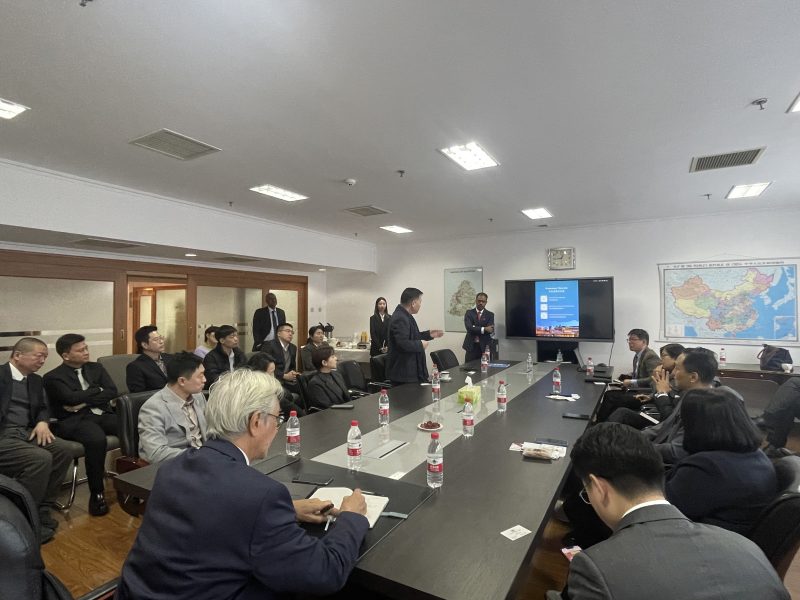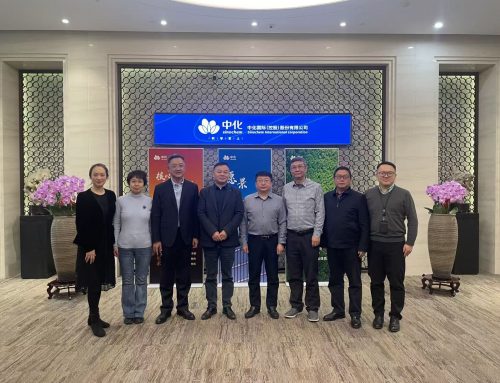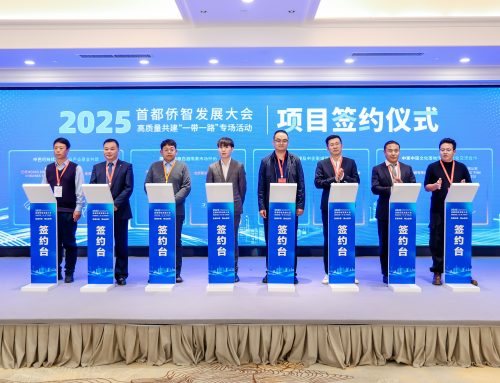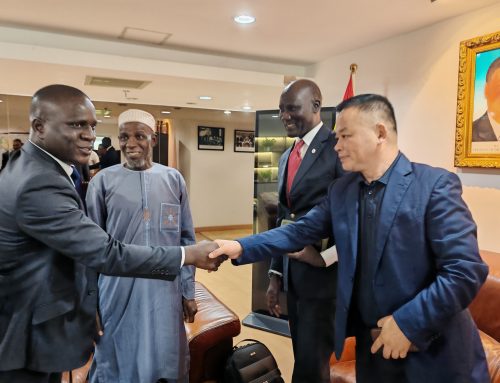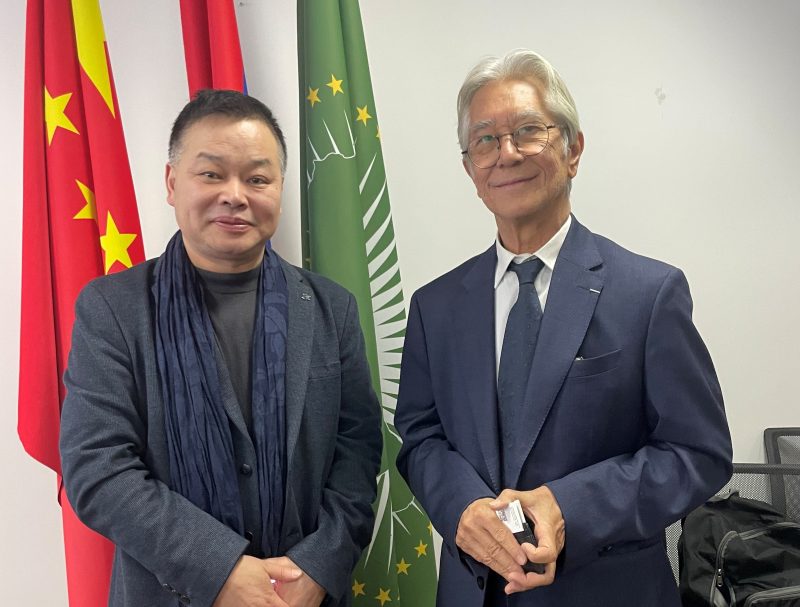
The Chairman of the Easybest Group was invited by the Trade and Investment Development Promotion Association of the Embassy of Mauritius to attend a meeting on Tuesday morning, January 20, 2026. At the meeting, the ambassador of the embassy introduced Mauritius, which is positioned as a financial center on the African continent, with high-end manufacturing, investment, and tourism as its main economic development directions
Financial services industry in Mauritius:
It has developed rapidly in recent years. The financial and insurance market in Mauritius is free and open. Foreign banks and insurance companies can register and operate in Mauritius upon approval; bank interest rates are liberalized and determined by commercial banks themselves; there is no foreign exchange control, and the local currency, the rupee, can be freely exchanged with foreign currencies. In 2017, the output value of the financial and insurance industry in Mauritius increased by 5.5%. The Central Bank of Mauritius is established and operated in accordance with the model of the Bank of England, reports directly to the Parliament, and plays an active role in supervising financial institutions and managing the clearing, payment, and settlement systems. The Mauritius Commercial Bank (MCB) and the State Bank of Mauritius (SBM) are the top two commercial banks in Mauritius, accounting for 40% and 30% of the domestic market share respectively. In addition to ordinary banking services, their business scope also includes financial leasing, insurance wealth management, investment management, funds, securities, etc. Among them, MCB ranks first in the East African region and 20th in Africa in the comprehensive ranking by The Banker magazine. More than 10 foreign banks such as HSBC, Barclays, Deutsche Bank, and Standard Chartered have established subsidiaries or branches in Mauritius, mainly engaged in offshore banking business, with HSBC and Barclays having the largest business volume.
In 2020, the total output value of the financial services industry was 49.262 billion rupees, accounting for 11.5% of the total GDP, with a year-on-year increase of 1%. Among them, the output value of banking financial institutions was 30.58 billion rupees, accounting for 7.1% of GDP, with a year-on-year increase of 0.9%; the output value of insurance and pension was 10.531 billion rupees, accounting for 2.5% of GDP, with a year-on-year increase of 2.4%. The Mauritius Commercial Bank (MCB) is a leading enterprise in this industry.
As of June 2020, there were a total of 20 commercial banks in Mauritius, including 9 local banks, 8 foreign banks, and 3 branches of foreign banks, with a total of 166 business outlets and 8,266 employees. The Bank of Mauritius is the central bank of Mauritius. As of 2020, there were approximately 20 insurance companies in Mauritius.
Foreign trade:
Foreign trade is an important component of Mauritius’s national economy. The country mainly exports sugar and products from export processing zones, while importing grains and other foodstuffs, cotton and wool raw materials, machinery and equipment, petroleum products, etc. Mauritius has trade relations with more than 100 countries and regions, with its main trading partners being France, the United Kingdom, the United States, India, China, etc. In 2024, Mauritius’s total import and export volume was approximately $9.2 billion, with exports amounting to about $2.4 billion, a year-on-year increase of 6.2%, and imports reaching about $6.8 billion, a year-on-year increase of 10.6%.
Foreign capital:
The stable political environment and favorable policies have made Mauritius an investment hub connecting Asia and Africa. The double taxation treaties between Mauritius and over 45 countries are key to attracting foreign investment. In 2024, the stock of foreign direct investment reached US$8.154 billion. Foreign investment mainly comes from the United States, India, the United Kingdom, and other countries, with investments concentrated in real estate, tourism, finance, insurance, and other fields.
The delegation attending the embassy event included representatives from Mauritius Industry Fund, Standard Chartered Bank, and international law firms, who provided investors with escort and one-stop official services. At the meeting, the chairman discussed issues faced by African countries, such as the shortage of US dollar foreign exchange quotas, the feasibility of achieving RMB settlement with local currencies in Africa through barter, and the establishment of industry funds to serve as financial settlement centers for African countries.